
Residential Fire Restoration
Project Overview:
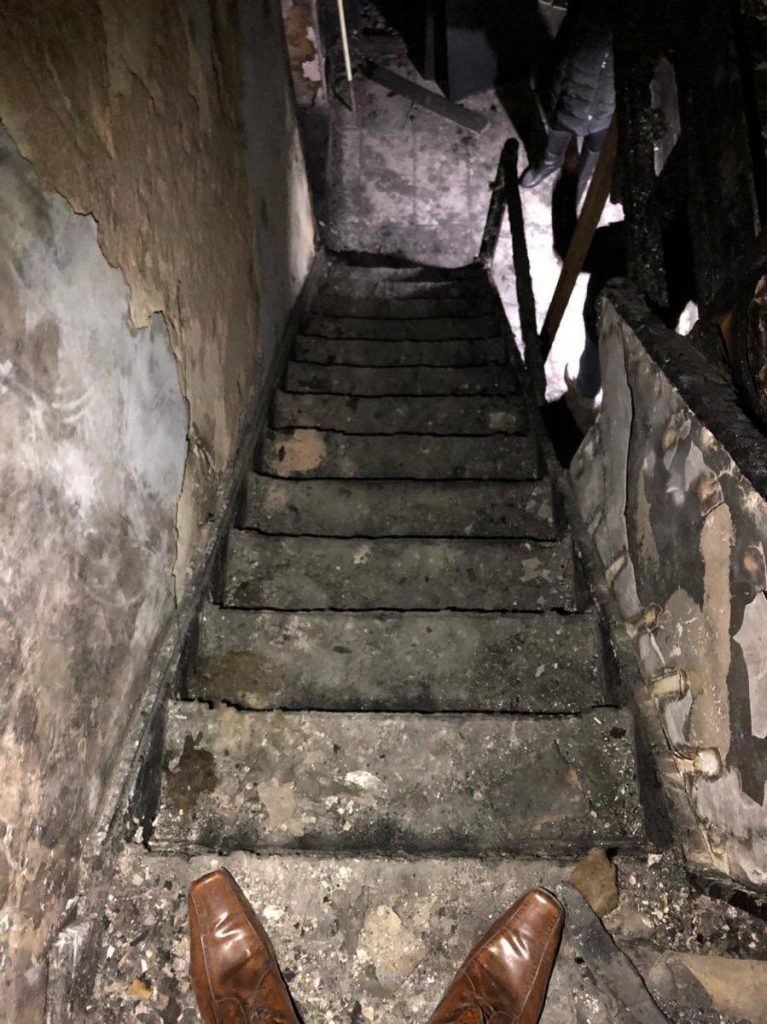
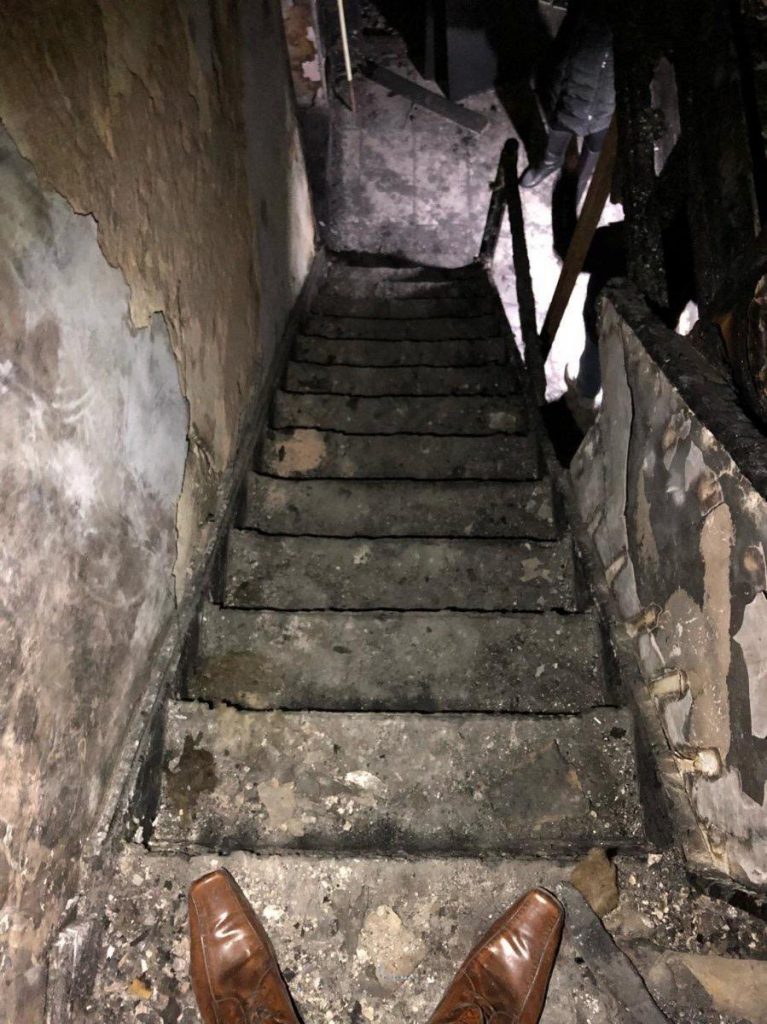
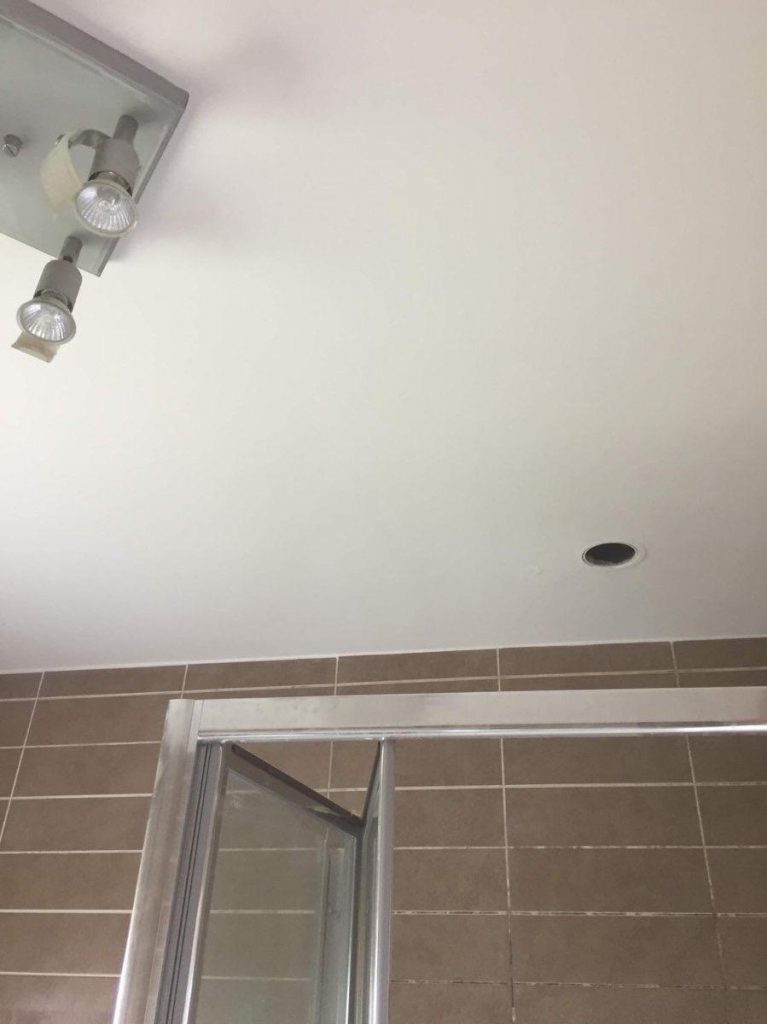
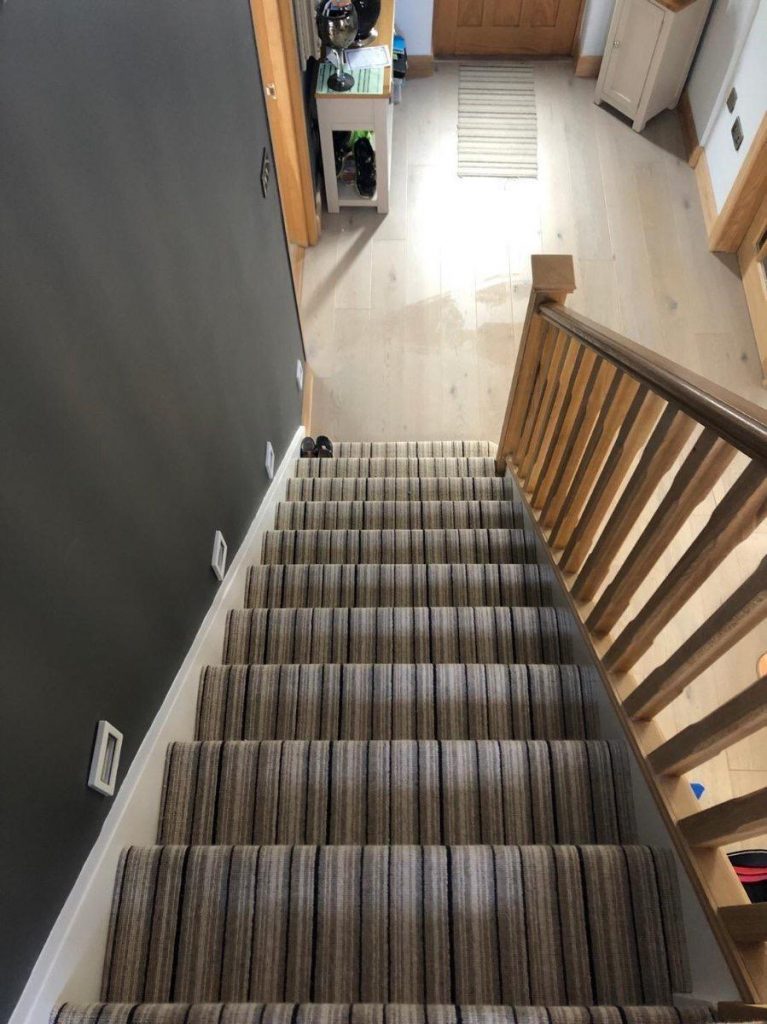
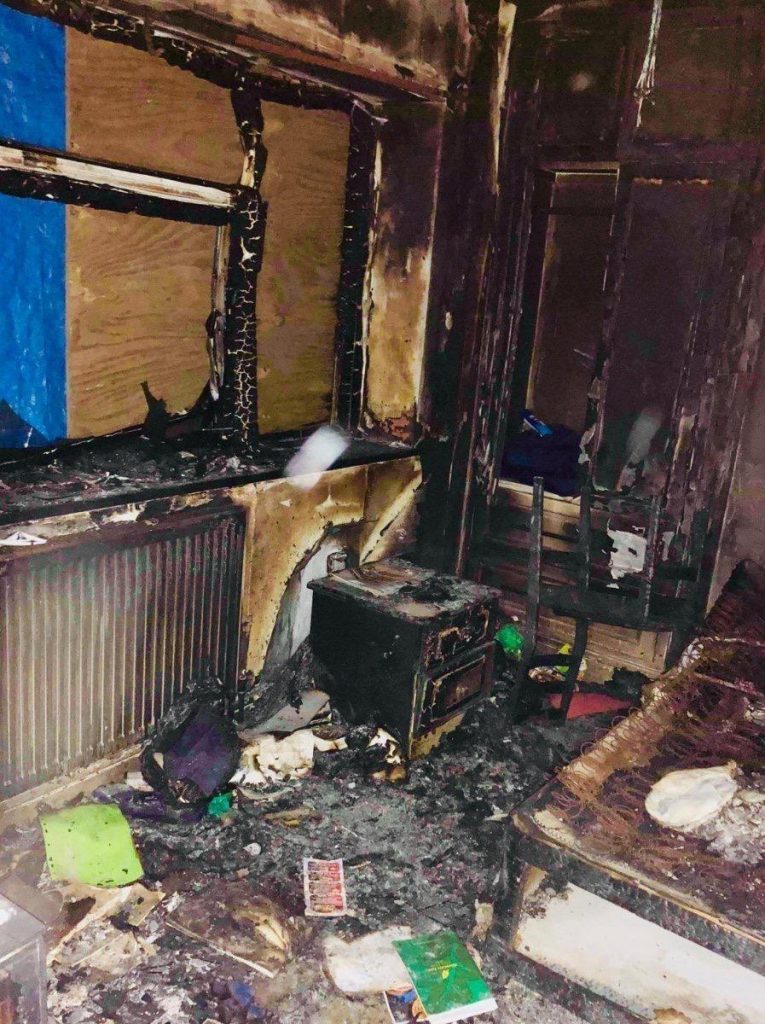
A semi-detached family home suffered extensive fire damage, particularly in the hallway and adjoining areas. The incident left behind significant soot deposits and a pervasive smoke odour throughout the property.
Process:
- Initial Assessment:
A comprehensive inspection was carried out to evaluate the structural damage and assess the air quality within the property. - Debris Removal:
All fire-damaged materials, including cabinets and flooring, were safely removed and disposed of. - Soot & Smoke Removal:
We employed advanced cleaning techniques and specialised equipment, including air scrubbers, to remove soot stains and airborne smoke particles. - Odour Treatment:
Industrial-grade deodorisation methods were used to fully neutralise the smoke odour from the affected areas. - Reconstruction:
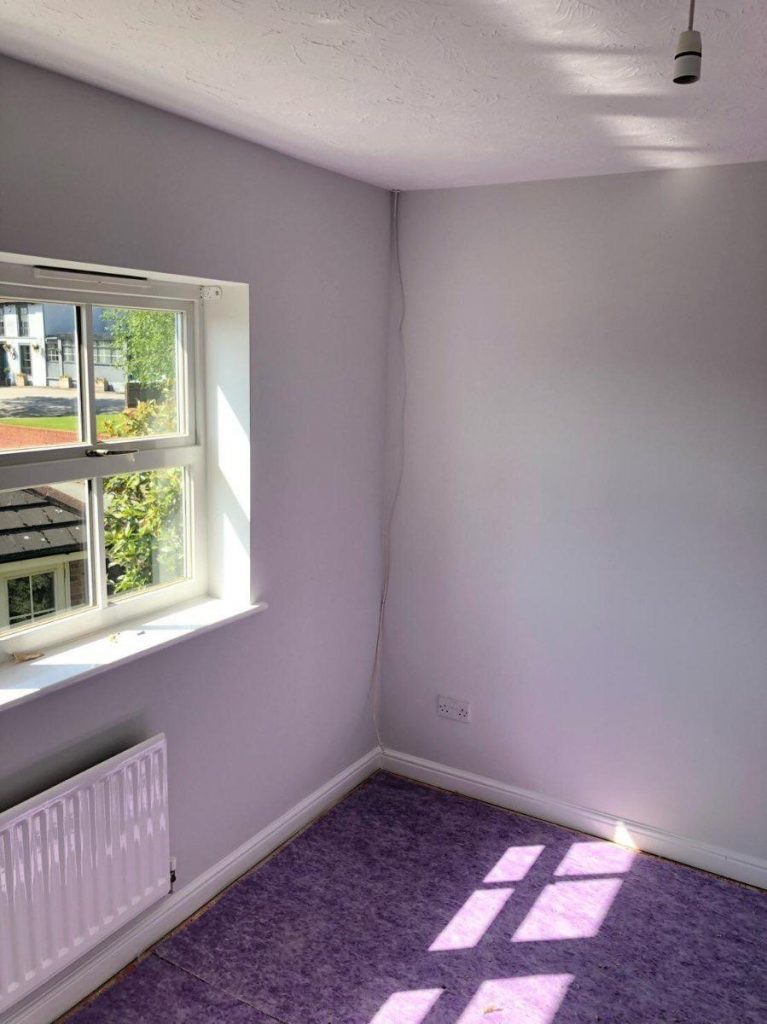
The damaged sections of the property were rebuilt, including the replacement of walls, ceilings, and flooring, restoring the home to its original condition.
Outcome:
Within just three months, the property was fully restored to its pre-loss state. The homeowners were able to return to a clean, safe home, free from any traces of fire damage or lingering smoke odours.


2 COMMENTS
ServiceMaster Colorado
25/08/2026, 06:48 REPLYGreat breakdown of the residential fire restoration process. Removing soot and smoke, treating odors, and doing a proper assessment are all important steps after a fire. At ServiceMaster Colorado, we understand that fire and smoke restoration is about more than just cleaning up—it’s about safely and properly restoring the property. Great project!
ServiceMaster Colorado
23/09/2026, 06:48 REPLYIt is always interesting to see a completed restoration project and the work involved in bringing a property back to a functional and well-maintained condition. A successful project is not only about the visible result but also about identifying the underlying issues, using the right restoration methods, and paying attention to the details throughout the process. Sharing completed projects like this gives readers a better understanding of what can be involved in professional restoration and why proper planning and experienced workmanship matter.